
A contentious framework
The signing of a trilateral framework by Lebanon and Israel last week has sparked a wave of criticism, but analysts say it is only part of wider negotiations, though many challenges still exist.

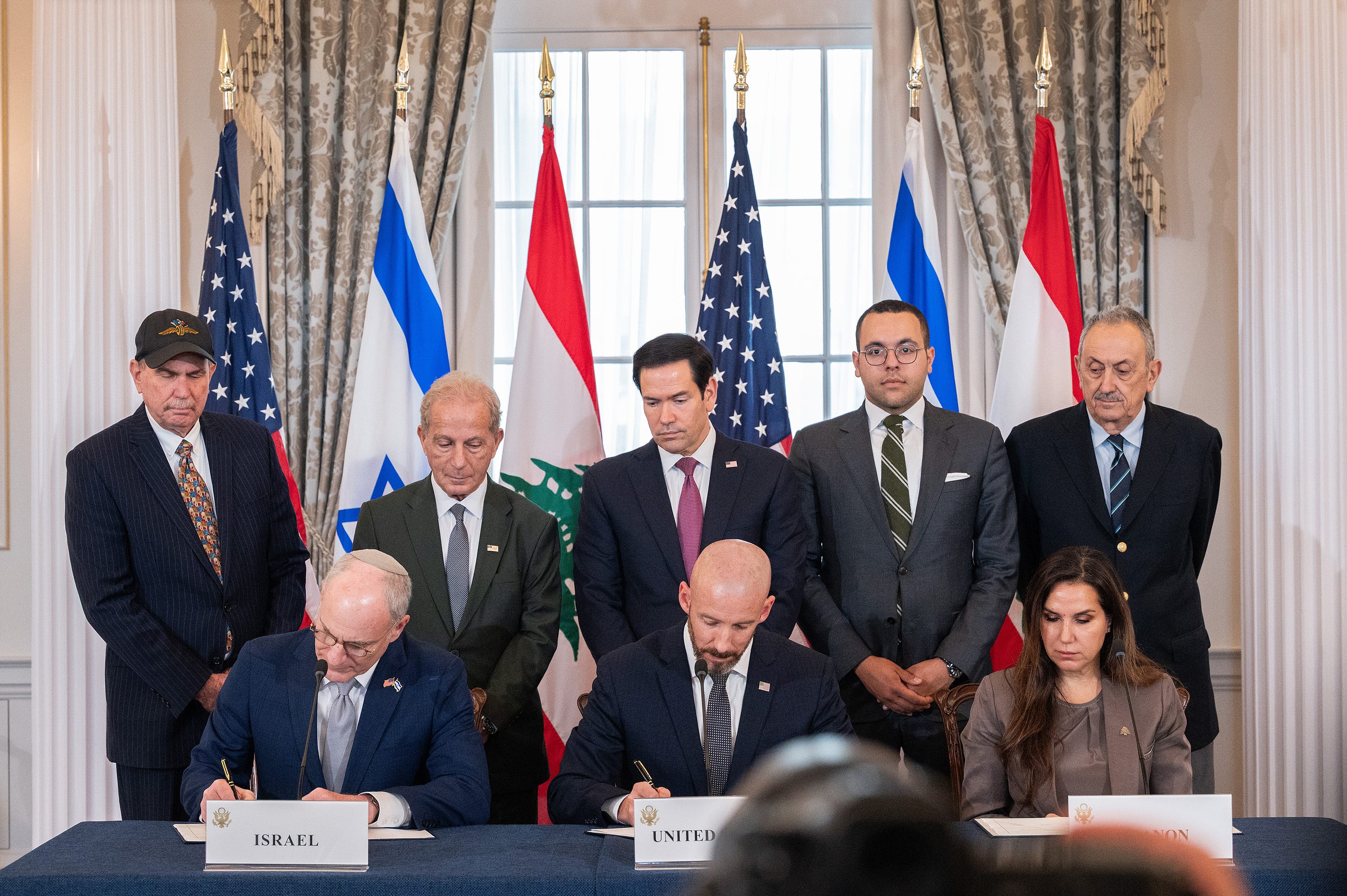
When it was announced that Lebanon, Israel and the United States signed a trilateral framework agreement on Friday, June 26, once people in Lebanon read the 14-point text, it did not take long for anger to boil over.
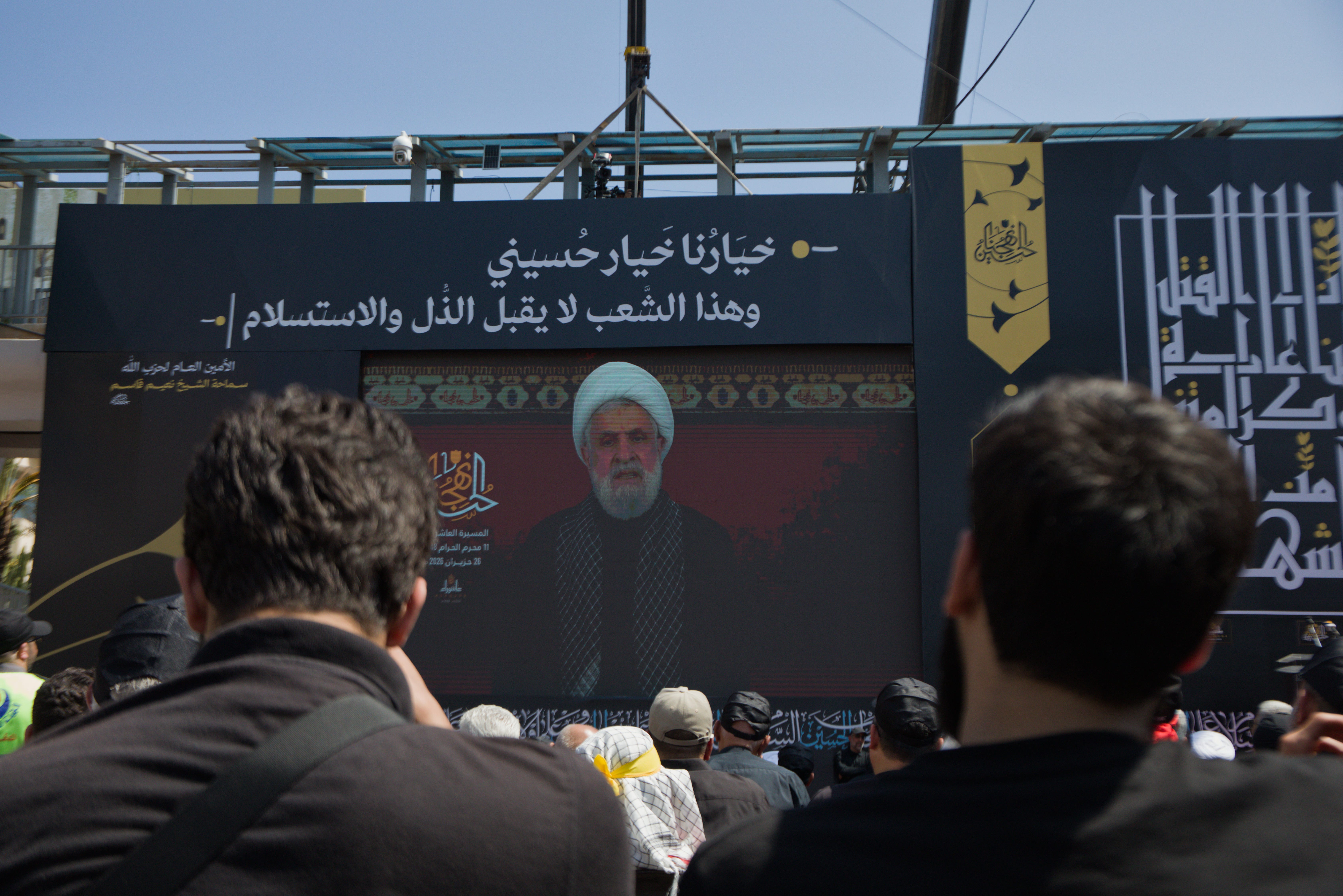
It was Ashura that day and the occasion was already a deeply emotional one for Shia Lebanon, centered around martyrdom and resistance. Many were still displaced. Others had no homes to return to. Another portion did not have the ability to even go back to their villages because of Israel’s occupation in south Lebanon. So, they took to the streets that night, leading to the army to respond to disperse them.
It was not just Lebanese Shia who were outraged. Even people who were traditionally opposed to Hezbollah questioned the Lebanese government’s logic in signing on to such an agreement.
People pointed to several parts of the framework as being problematic – in particular, points two and 13.
In these two sections, critics argued that the agreement essentially legitimized Israel’s occupation of south Lebanon and saw Lebanon forfeit its rights to take legal and political action against Israel’s continued occupation.
Dr Imad Salamey, a professor of political science and international affairs at the Lebanese American University, acknowledged these concerns but pushed back a little, arguing that this was only a step in a process rather than a final agreement.
“The concerns are understandable, but many stem from treating the text as a final peace treaty rather than what it actually is: a political framework that guides negotiations,” Salamey told Shafet Ahwe.
“The real test is not the wording alone, but whether implementation achieves full Israeli withdrawal, strengthens Lebanese sovereignty, and enables reconstruction.”
A step in negotiations
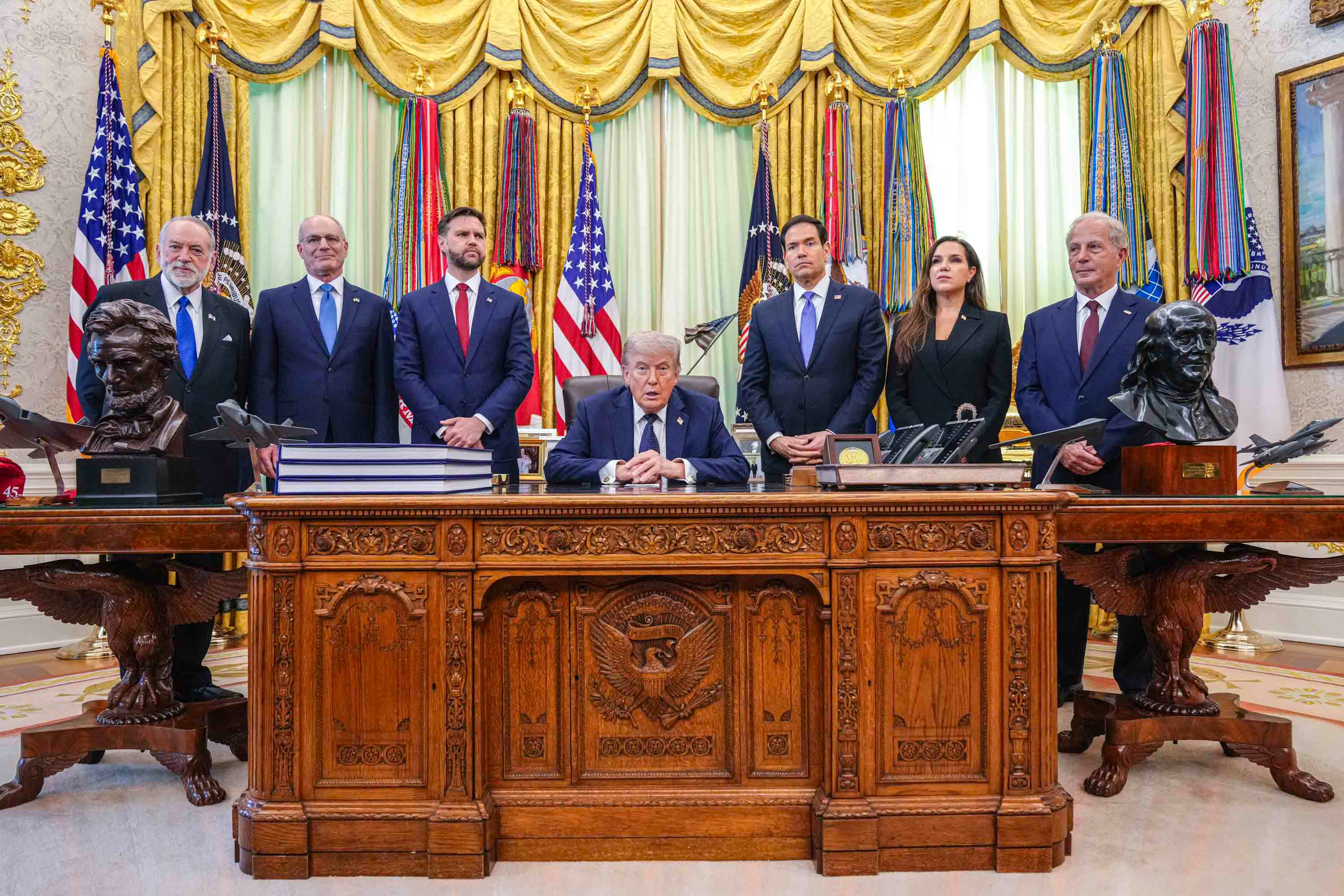
This trilateral agreement was announced after three days of direct talks in Washington, D.C., but they were only the latest in several rounds of negotiations that had preceded it.
Just as there were talks before the agreement, there will be more after.
“It’s an ongoing process. It has a lot of challenges,” Paul Salem, a non-resident senior associate at the Center for Strategic and International Studies’ Middle East program, told Shafet Ahwe. “This is happening in the wake of the U.S.-Iran MoU and Hezbollah and Iran feeling empowered and the Lebanese state trying to figure out how to deal with that.”
According to the Memorandum of Understanding (MoU) between Iran and the United States, fighting is supposed to end on all fronts. However, interpretations of the agreement differ.
For Iran, it means that Israel needs to not only stop its attacks on Lebanon but also withdraw from the country. For the U.S., it means that Israel will withdraw upon reaching a final deal with Lebanon; one that sees Hezbollah completely disarmed and no longer present in south Lebanon.
Hezbollah has remained staunchly opposed to negotiations with Israel, arguing that both the U.S. and Israel are untrustworthy partners to negotiate with and that Lebanon should pull out immediately. Lebanese President Joseph Aoun and Prime Minister Nawaf Salam have maintained that talks are the only way to truly end the war.
The majority of Lebanese want to see Hezbollah disarmed and the war end, but the Lebanese state is incapable of doing either of these things without risking triggering a wider internal conflict, putting it in a precarious position where all of these things will have to happen slowly.
There are also outside factors that influence how negotiations between Lebanon and Israel take shape.
“On the Israeli side, you have a prime minister facing very difficult elections; he’s digging in his heels for domestic reasons,” Salem explained. “You have the U.S. and Iran in talks. Everything is moving. Everything is in process.”
For the Lebanese state, it is trying to find a way forward in which the war ends, southerners can return to their homes, the army is strengthened and the state has complete control over its sovereignty.
Even Parliamentary Speaker Nabih Berri, who also heads the Amal Movement, a close ally of Hezbollah, appears to still support these positions even as he has spoken out against this recent agreement.
“I think he feels there was a misstep here but he’s committed to fixing it rather than using it to break everything,” Salem stated. “Where there has been disagreement is how the talks in some cases were done, how you disarm Hezbollah – we don’t want to do it through civil war.”
The largest obstacle so far has been getting Israel to withdraw from south Lebanon, something Israel has preconditioned on Hezbollah’s total disarmament. Part of the framework agreement discusses the creation of “pilot zones” in which the Lebanese army will deploy to secure the area and remove any Hezbollah infrastructure and weapons all the while the Israeli military will take part in “phased and verified redeployments.”
According to Salem and Salamey, these will be the real test because, if they work, they will incrementally bring Lebanon under the control of the state.
“Their purpose is to demonstrate that Israeli redeployment and Lebanese Army deployment can proceed simultaneously under international monitoring,” Salamey said.
Taking back control
Critics of the Lebanon-Israel talks argue that Israel has no intention of leaving the parts of Lebanon that it currently occupies and will not honor any deal that would see it cede land.
Israel has only helped to reinforce this idea with multiple government officials repeatedly stating that they were not going to leave Lebanon.
“Our insistence is that we will not leave southern Lebanon until the threat is removed,” Israeli Prime Minister Benjamin Netanyahu said on a recent visit to south Lebanon.
Israel’s defense minister, Israel Katz, has gone even further than that, stating that there were no plans for Israel to withdraw from Lebanon.
“We will not withdraw from the security zone,” he insisted. Katz has also sometimes said that Israel’s withdrawal was conditional on Hezbollah’s disarmament.
Hezbollah, for its part, has flatly refused to disarm.
“The resistance continues its existence, presence, decisions, and capabilities. It remains the pillar of Lebanon’s independence and liberation, and it will remain so. It is this people, this land, and it represents the past, present, and future,” Hezbollah leader Naim Qassem thundered during his Asgura speech.
“Israel has no choice but to fully withdraw from every inch of Lebanese land and stop its aggression by air, land, and sea. Its war has failed to achieve expansionist goals, and this is a fundamental basis to build upon.”
Salem was quick to acknowledge people’s concerns over whether or not Israel would adhere to the agreement and withdraw given the rhetoric coming from its leaders.
The framework agreement did little to alleviate these concerns since there was no clear timeline for when and how Israel would withdraw from Lebanon, lending a level of credence to Hezbollah’s argument that “resistance” is the only way to retake Lebanese land.
However, he argued that this was more of an issue of optics rather than substance.
“When you look at it, they have no narrative. No realistic narrative for getting people back to their villages,” he stated. “They have a narrative of defiance and the government didn’t deliver. But they don’t have a way to get people back other than let’s fight for another 20 years and maybe.”
This is why the pilot zones are so important for the government.
If they work and the government is quickly able to get people back to their villages and start the process of rebuilding, it would put it in a position where it could point to its achievements and argue that negotiations do work.
Should Israel prolong the process, though, it could also have the opposite effect and help to re-legitimize Hezbollah as a resistance group.
“If Israel delays implementation or attempts to prolong its presence without justification, it would undermine confidence in the framework, weaken the government’s position, and provide opponents with arguments against the process,” Salamey said.
Israel has continued to bomb parts of south Lebanon and demolish villages that it occupies along the border. According to Salem, he believes this is the Trump administration allowing Israel to “blow off steam on this issue” due to its anger over the end of the war with Iran.
Scepticism of the framework agreement persists even a week after it was announced. The Lebanese government is attempting to sell it as the best way going forward and the only real solution to Lebanon’s problems, but Israel’s actions and its hardline stance are only going to make this, and future talks, all the more challenging.
“New Israeli occupation feeds Hezbollah’s narrative and doesn’t solve anything and also happens to be a burden for Israel and weakens the Lebanese government,” Salem said.